At State Super, we are proud of our history, and the foresight of the NSW government back in the early 20th Century to consider the retirement needs of its workers. Since 1919, superannuation for public service and public sector workers has continued to grow and change, and the State Super Schemes are an important part of our country’s history. You can find out more about this history by watching the video below, or scrolling through our interactive timeline.
State Super History Timeline
Scroll and select a date, click on the date to view a summary and click on to read more information.
-
NSW launches first age pension
NSW becomes the first Australian government to introduce the Age Pension. Also in 1900, there is a major Bubonic Plague outbreak in Sydney, and Queen Victoria gives Royal assent to the Commonwealth of Australia Constitution Act, a key step in Australia becoming one nation.
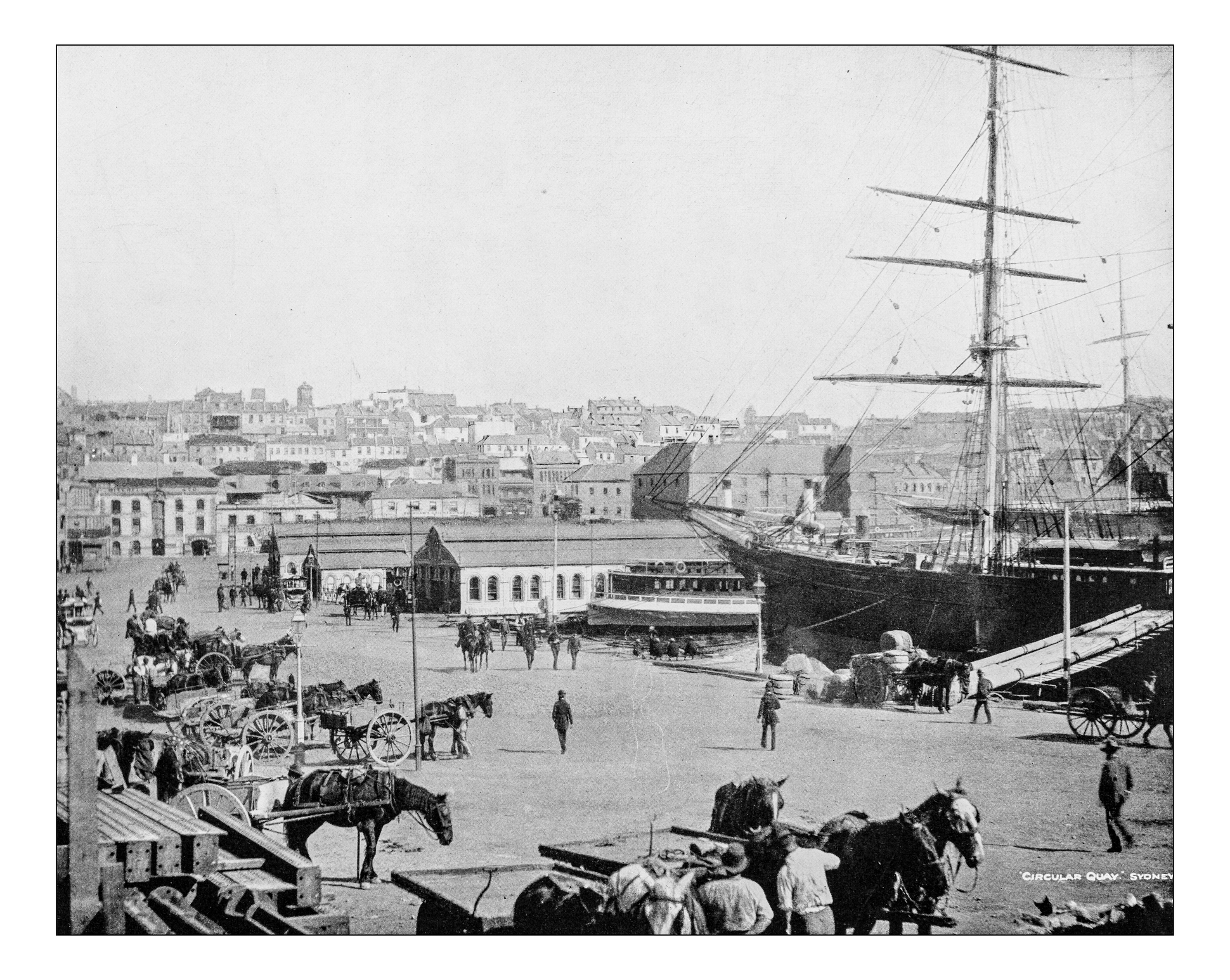
Circular Quay Sydney c. 1900
iStock.com: ilbusca
-
Federation
The Commonwealth of Australia is created with Edmund Barton as the first Prime Minister. The new Parliament legislates about age and invalid pensions. Overseas, Italian engineer Guglielmo Marconi sends the first radio broadcast over the ocean from Signal Hill in Newfoundland.
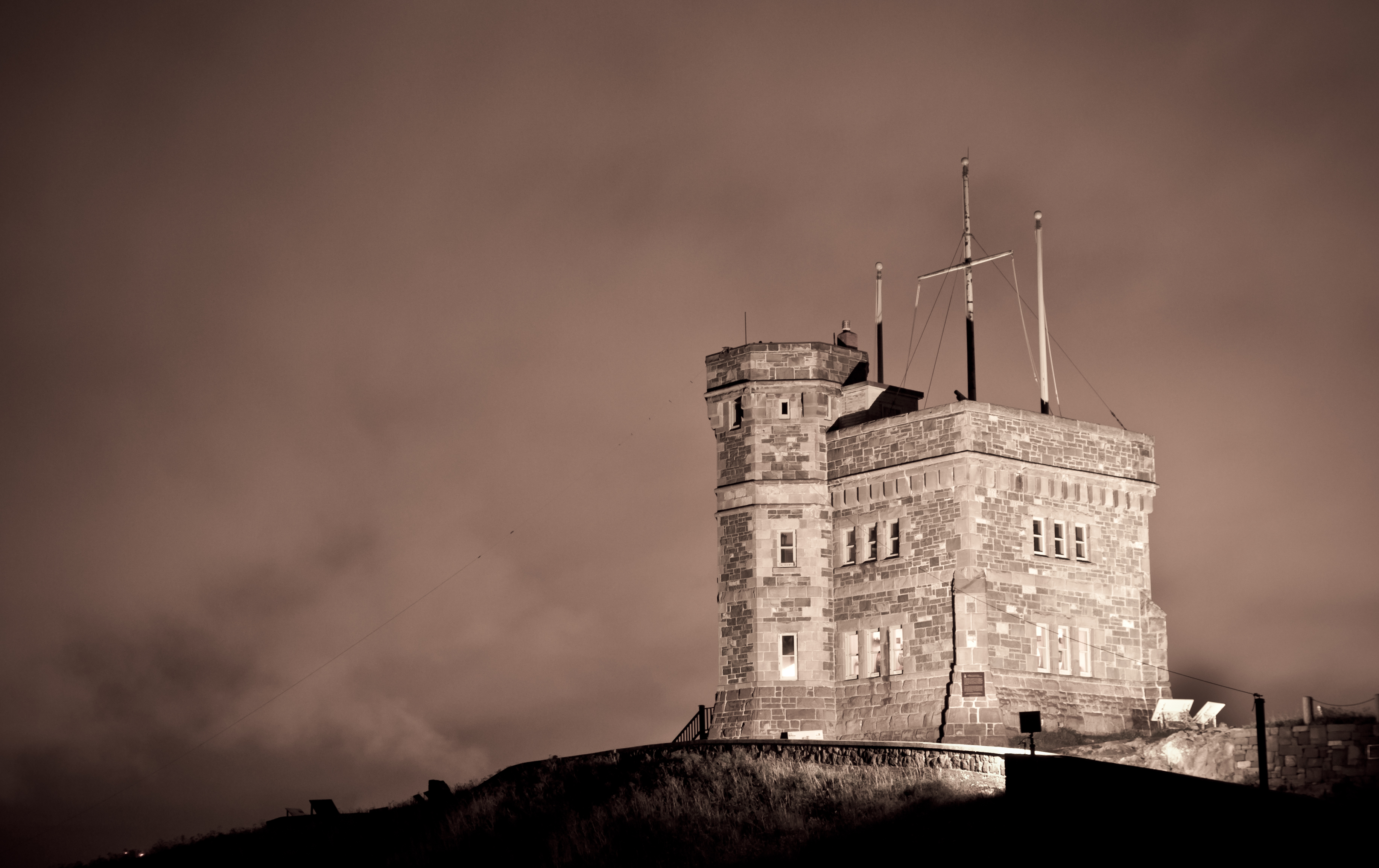
Cabot Tower radio station, Signal Hill, Newfoundland used by Marconi
iStock.com: mmac72
-
Police superannuation begins
Public sector superannuation begins with the legislation for the Police Superannuation Scheme. This scheme included workers’ compensation entitlements and was administered inside the Police Department.
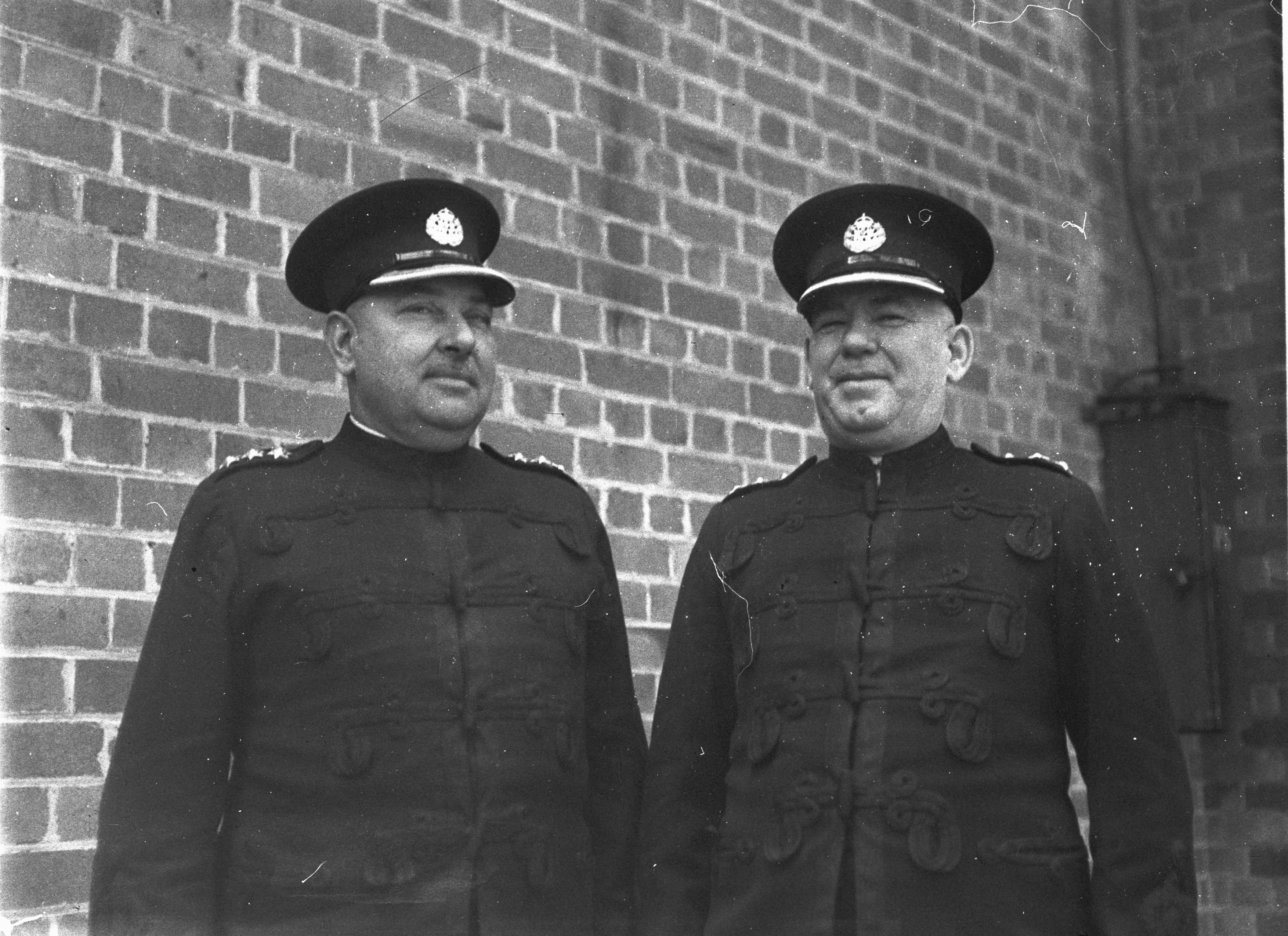
NSW police officers c. 1906
Image source: State Library of NSW
-
Commonwealth Pensions begin
NSW Premier Charles Wade formally completes the transfer of State land to the Commonwealth, to create the Australian Capital Territory and the Commonwealth Government introduces pensions this year. This pension superseded all State age pension schemes…
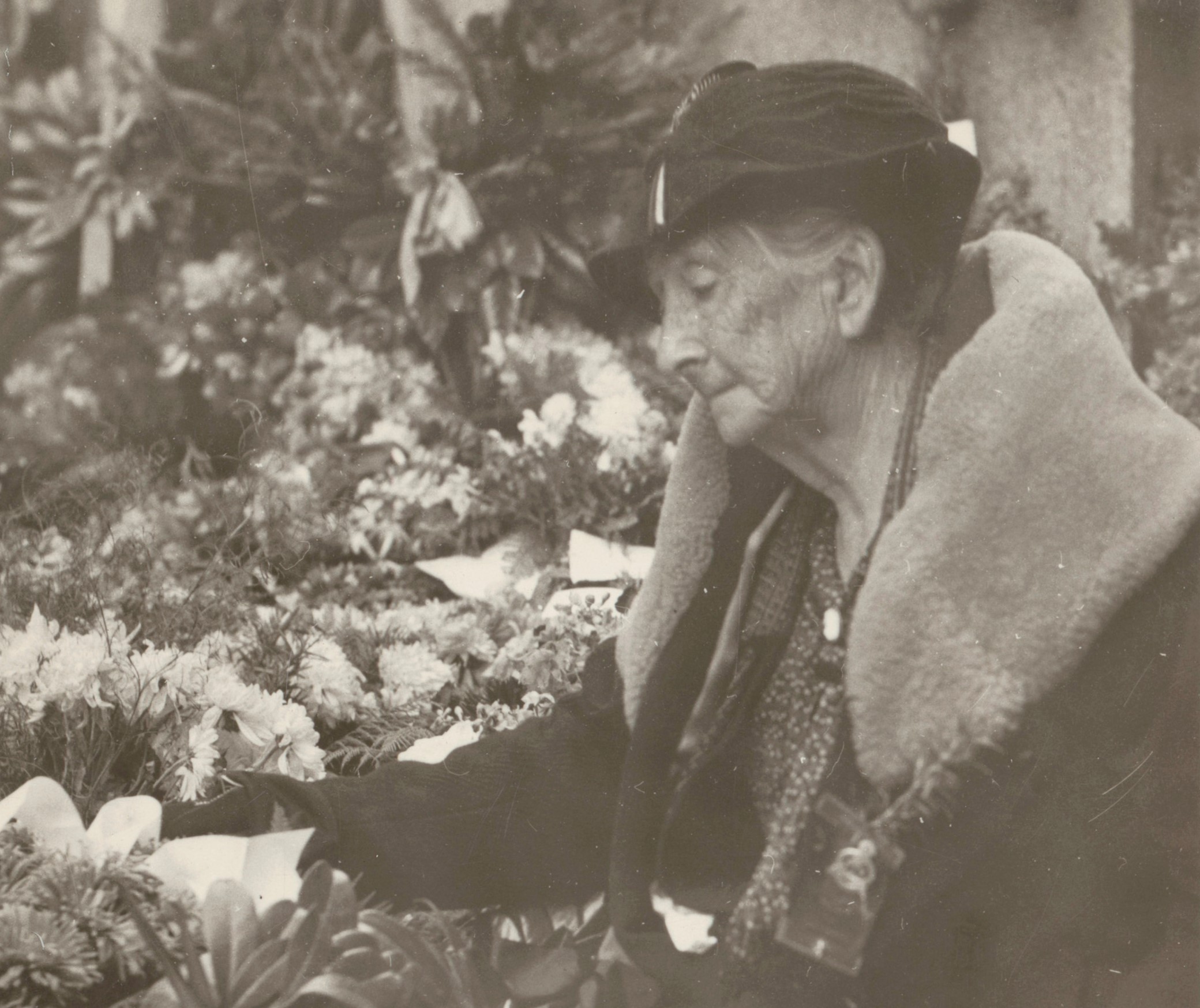
The new Commonwealth pension was a modest means tested payment worth 10 shillings per week or £26 per year, which was around 12 per cent of the average male weekly earnings.
You needed to be a continuous Australian resident for 25 years to qualify for the pension, but this was reduced to 20 years in 1910. Continuous residence meant you could have occasional absences, but these were not to exceed “one tenth of the total period of residence”.
Elderly woman Sydney c. 1909
Image source: State Library of NSW
-
Ten and a Penny scheme begins
The Ten and a Penny superannuation scheme began as part of the Government Railways Act 1912 for NSW government railways employees.
The scheme had defined benefits paid in the form of a small indexed pension.
There were many other developments in superannuation this year……
In 1912, the NSW State government also began discussions on the need for superannuation benefits for other NSW Public Sector employees. This included nurses, who were paid wages, and whose employers were 'off budget'. This meant that the organisation generated their own revenue and did not get allocations from the State Budget.
It was generally accepted that wages staff would not be fully self-funded for retirement but would rely on the age pension with a ‘top up’ from a superannuation lump sum.
Other superannuation related developments this year included a change to the Commonwealth Invalid and Old-age Pensions Act, 1909, which was amended to remove the family home from the means test. The Commonwealth also introduced a maternity allowance, which was a lump sum cash grant payable to a mother on the birth of a child.
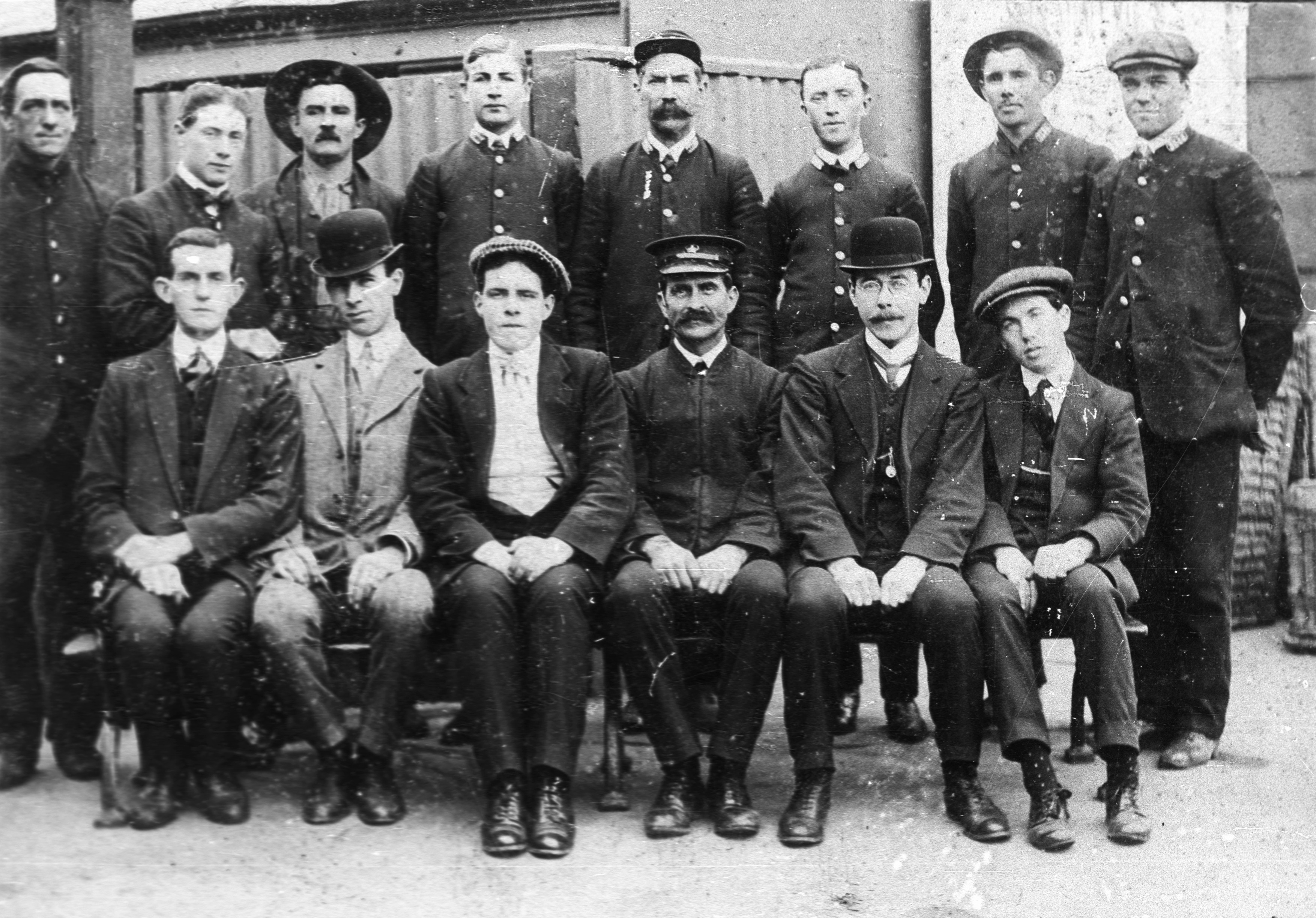
NSW railway workers, Wagga Wagga
Image source: State Library of NSW
-
World War I
In August 1914 following the murder of Archduke Franz Ferdinand of Austria in Sarajevo, England declares war on Germany, and Australia subsequently enters the war. Prime Minister Joseph Cook states that "All of our resources in Australia are for the preservation and the security of the empire".
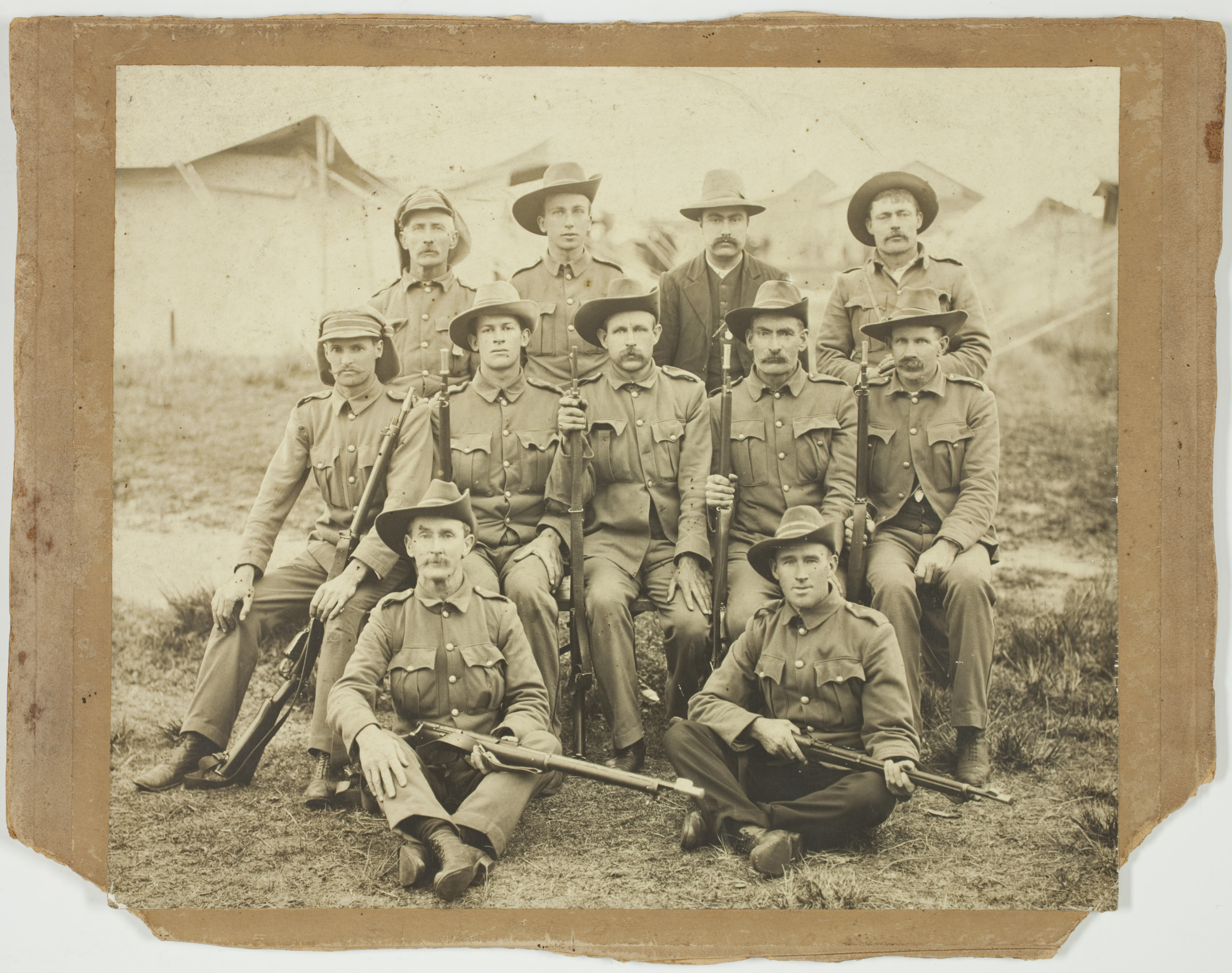
Australian soldiers c. 1915 including N. Hutchins, winner of the King’s Cup (centre)
Image source: State Library of NSW
-
New State Superannuation Act
The Superannuation Act 1916 was passed, which would lead to the creation of the State Superannuation Fund in 1919. Also in 1916, Sir Ernest Shackleton completes an historic 1,500km voyage in the Southern Ocean …
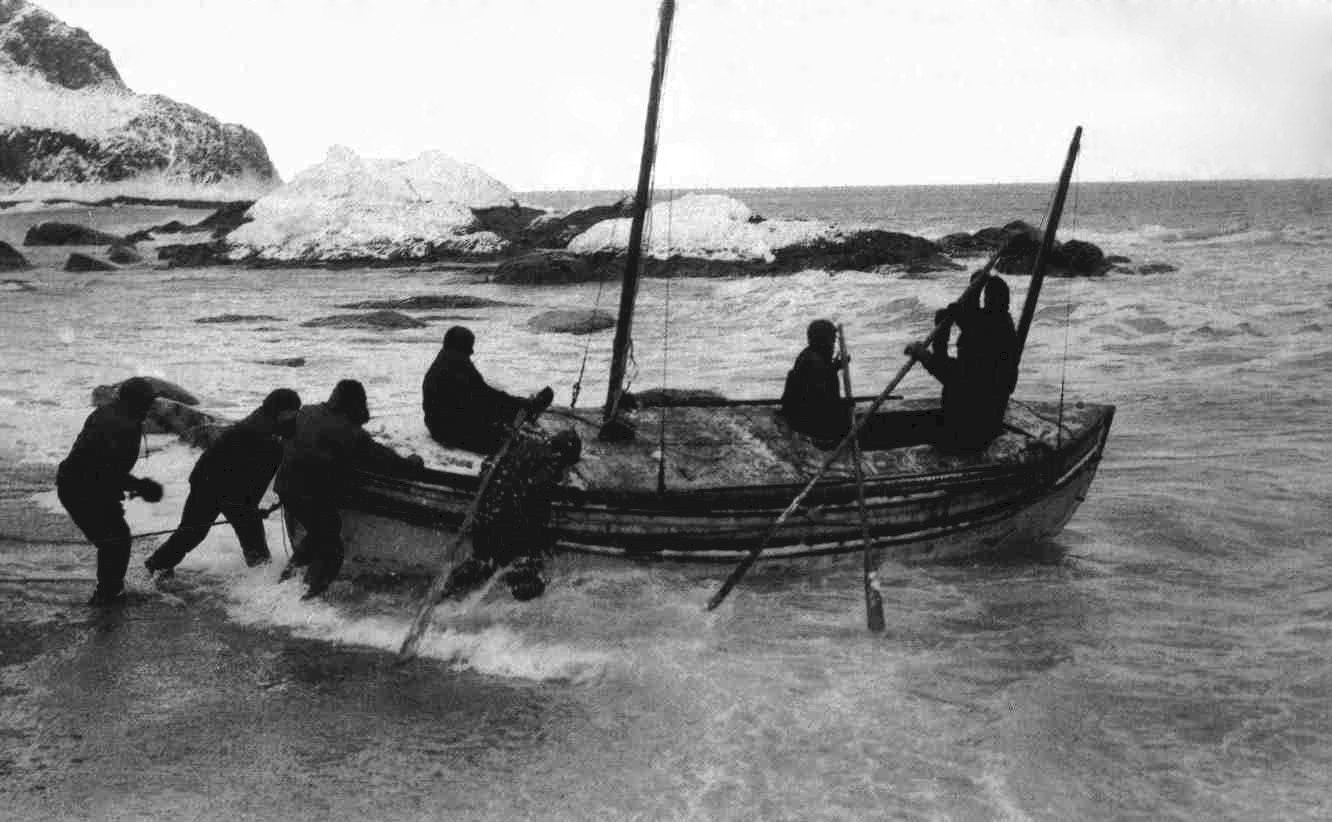
Sir Ernest Shackleton and five others sail a life boat called the James Caird over 1,500 km from Elephant Island to South Georgia Island in the southern Atlantic Ocean. Shackleton sought to arrange the rescue of the remaining members of his expedition following the loss of its ship Endurance in Antarctica. This is considered the greatest small boat journey in history, and amazingly all members of his party survived.
Launch of the James Caird from the shore of Elephant Island.
Image source: Wikimedia Commons
-
State Super begins
In July 1919, The Treaty of Versailles was signed formally ending WWI, and in Australia the first members of the State Superannuation Scheme joined the fund. Benefits were based on units. The number of units a member was entitled to was based on their salary on their last day of service.
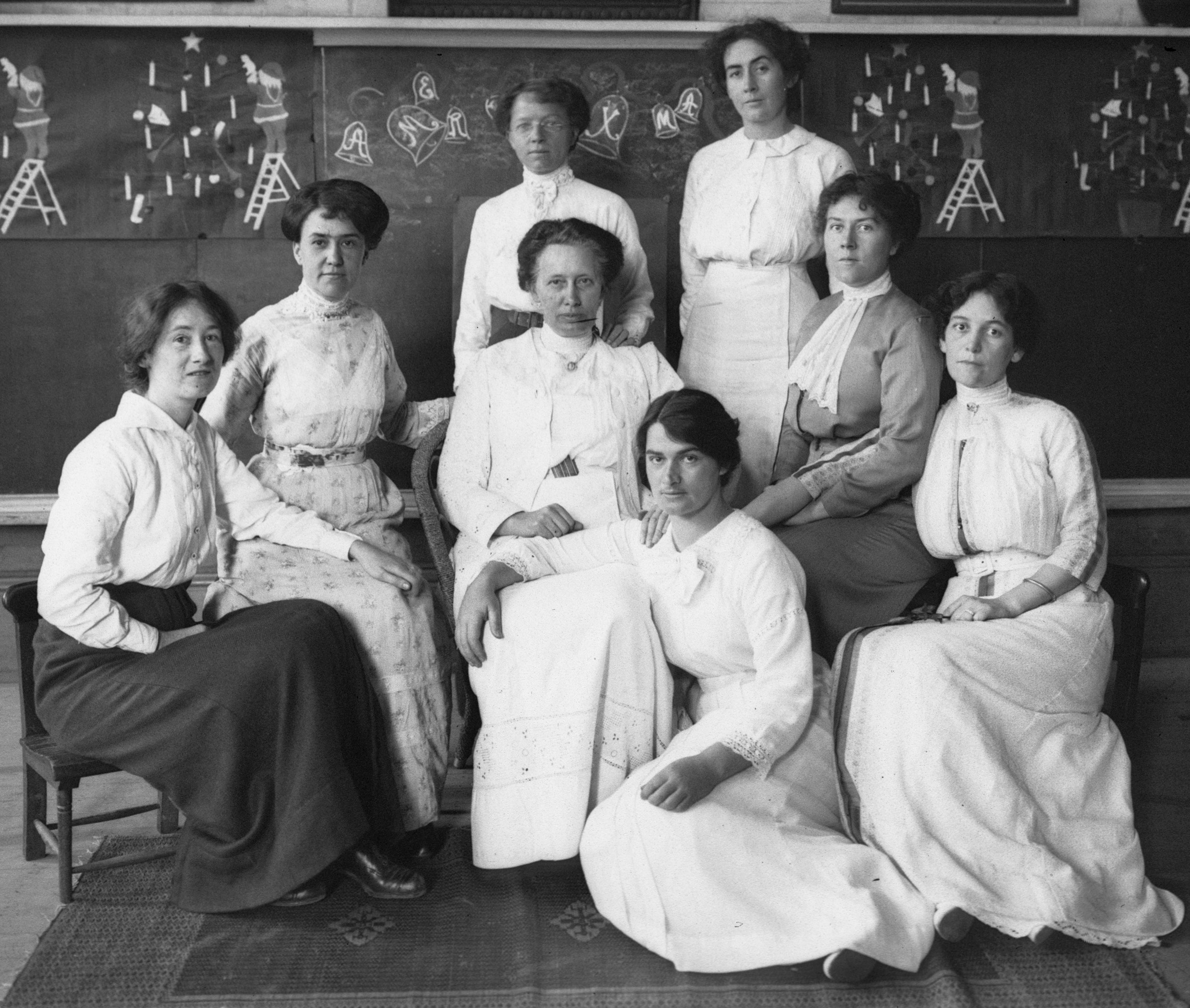
NSW school teachers around the time of WWI
Image source: State Library of NSW
-
Wages staff super begins
In the first serious attempt to provide benefits for public sector wages staff, the Local Government Insurance Fund was opened. Workers paid a monthly contribution used to purchase an Insurance Policy on their behalf. A second fund also opened…
The Local Government Provident Fund was also opened, and was predominantly aimed at female employees and those over age 55. It was recognised women were unlikely to stay employed continuously until retirement so their scheme was a dollar for dollar accumulation scheme.
Also in 1928, Australia the Royal Flying Doctor Service began, Nellie Melba makes her last appearance in opera and Australian aviator Charles Kingsford Smith completes the first flight across the Pacific Ocean, from mainland USA to Australia, in the Fokker F.VII aircraft Southern Cross.
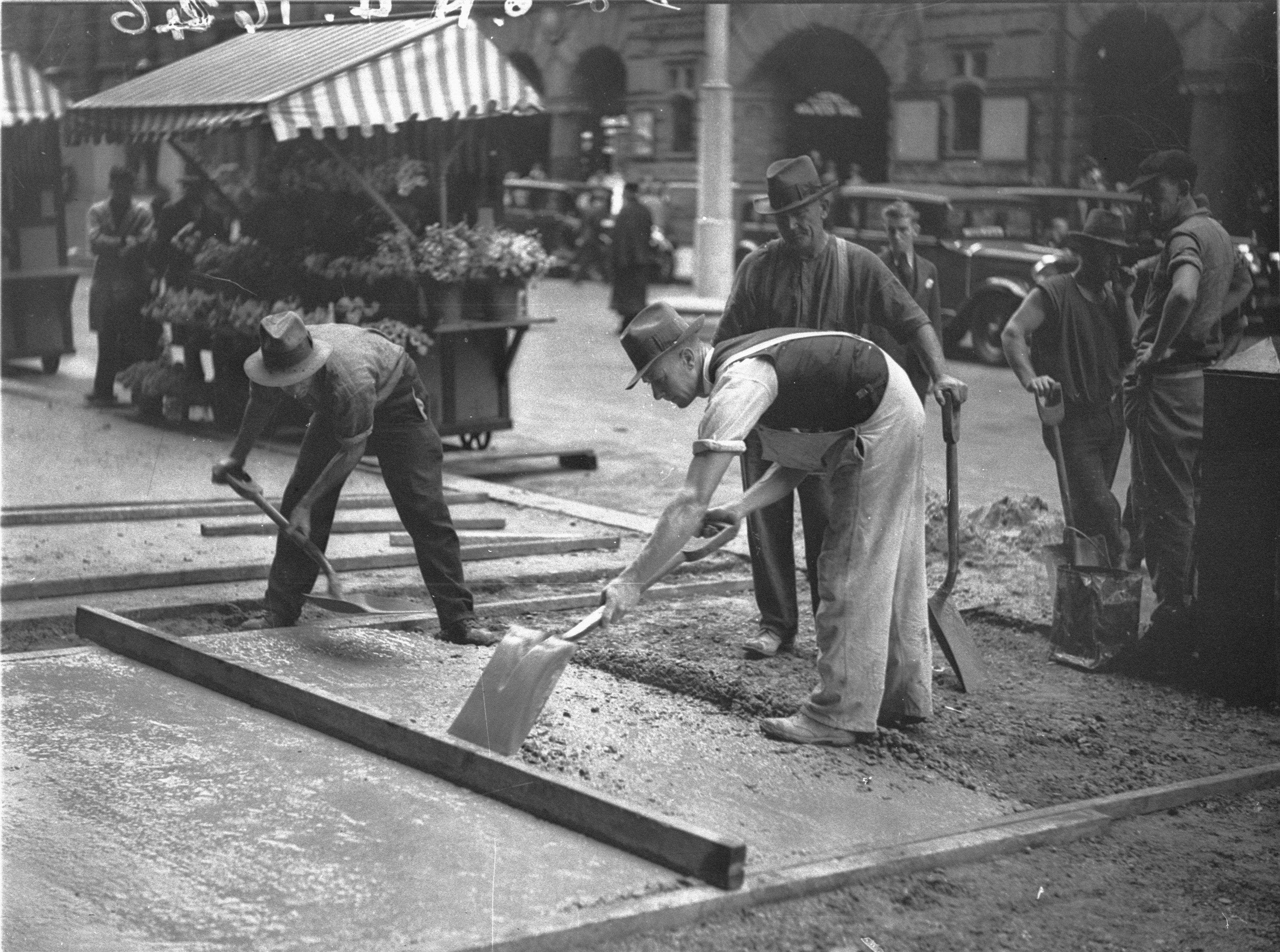
Sydney council road workers, early 20th Century
Image source: State Library of NSW
-
Transport Gratuity Scheme
The Transport Gratuity Scheme commences as part of the transport stream and provided for a modest lump sum at retirement. Also in 1930, the Great Depression is felt across Australia and state governments pay a dole and issue rations to many. Champion racehorse Phar Lap wins the Melbourne Cup.
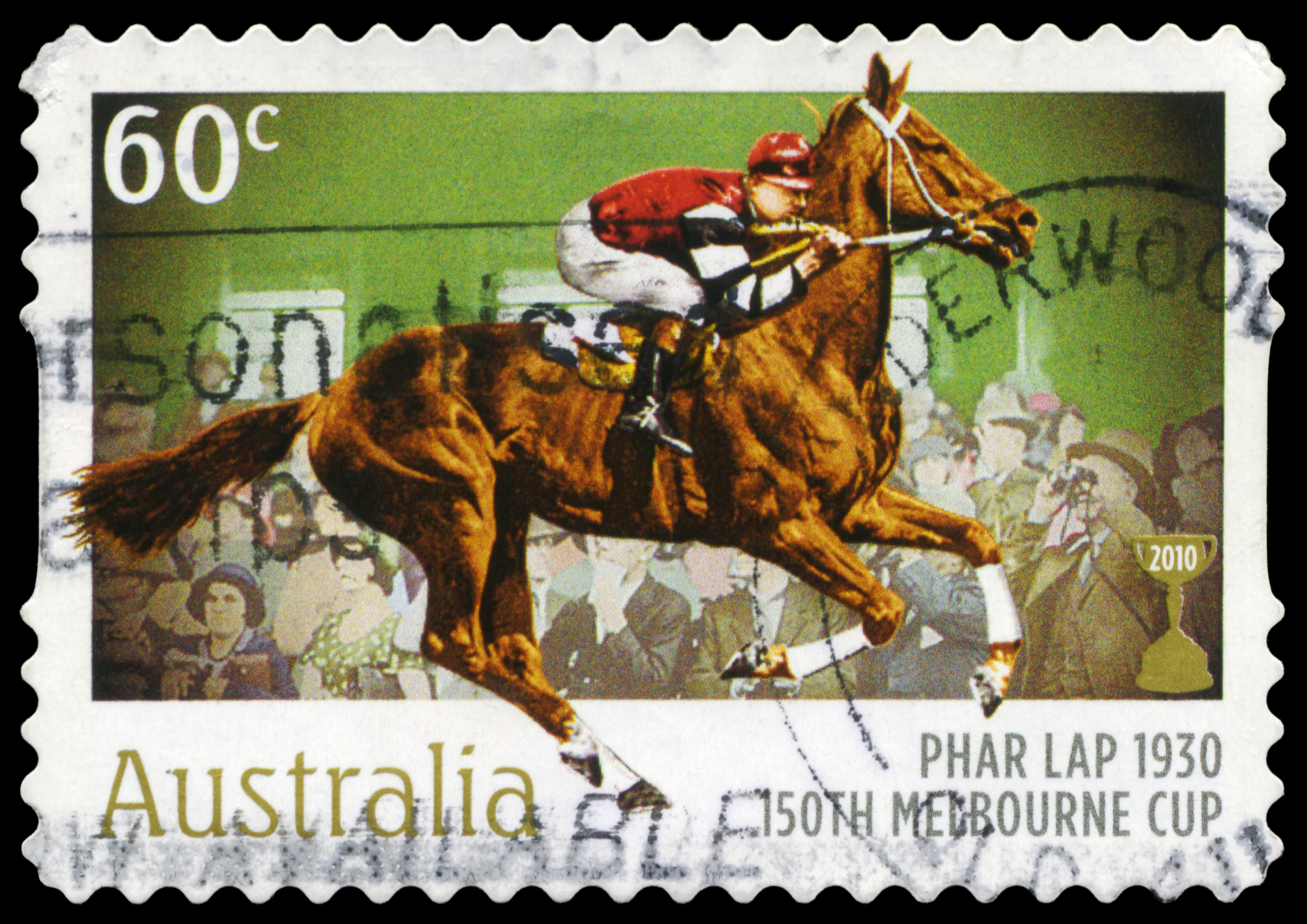
Image of Australian stamp commemorating Phar Lap’s win in the 1930 Melbourne Cup
iStock.com: alexander zam
-
World War II begins
In April 1939, Robert Menzies becomes Prime Minister and in September, Hitler’s invasion of Poland drove Great Britain to declare war on Germany. Over the next six years, the conflict would take more lives and destroy more land and property than any previous war, with 60 million people killed.
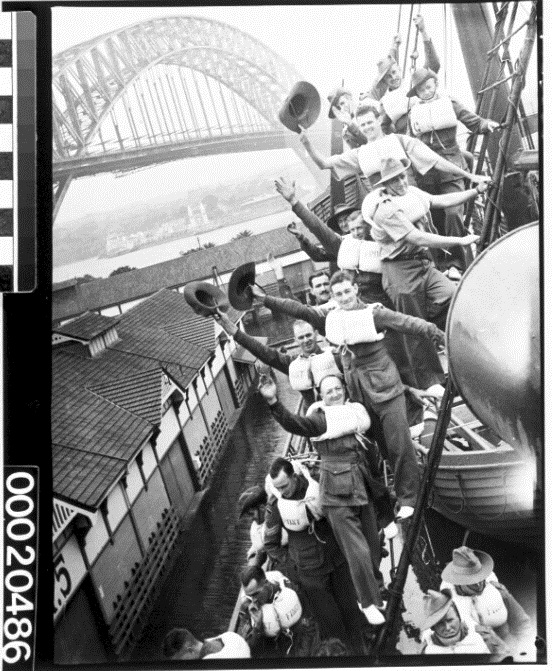
Australian soldiers at Circular Quay
Image source: Wikipedia Commons
-
World War II ends
World War II ends in Europe on 8 May, and on 15 August, Japan surrenders to the Allies in the Pacific.
In Australia, Prime Minister John Curtin dies in office, with Ben Chifley becoming the next Prime Minister.
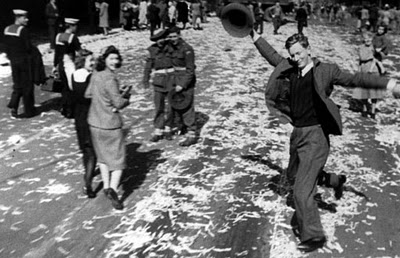
Famous image from film taken in Martin Place Sydney at the end of WWII
Image source: Wikipedia
-
Changes to state pensions
The first partial commutation of State Superannuation Fund pensions is allowed. Also in 1948, the first ever Holden motor car rolls off the production line in Australia, and Don Bradman retires from Test cricket.
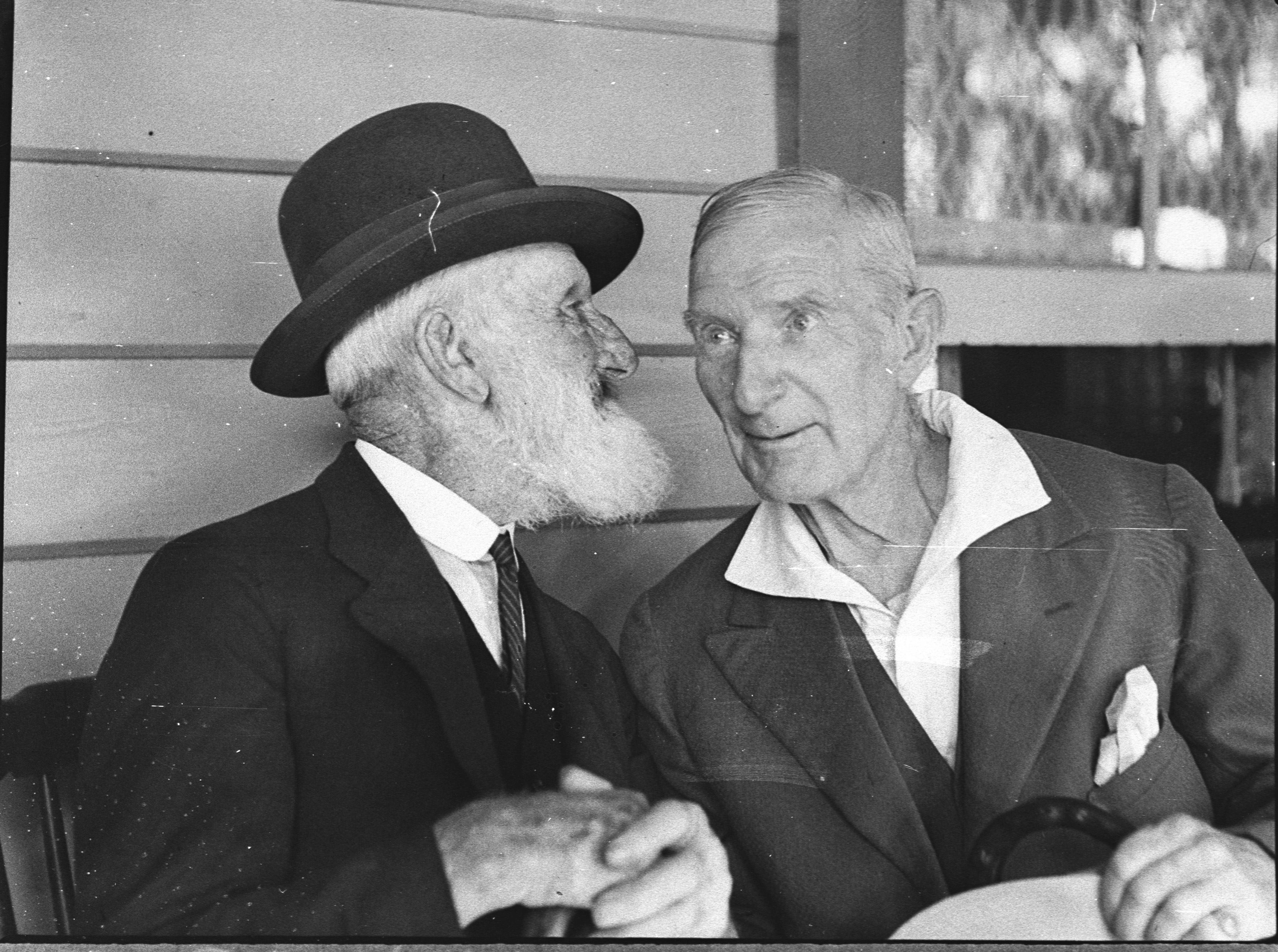
Two elderly men at the war veterans home, Narrabeen, NSW
Image source: State Library of NSW
-
Commonwealth takes control of super
This year, the Income Tax and Social Services Contribution Assessment Act, 1961 is passed. This Act firmly establishes the Commonwealth’s control of superannuation funds through its taxation powers. Also in 1961, the Parkes radio telescope is officially opened by the Governor General.
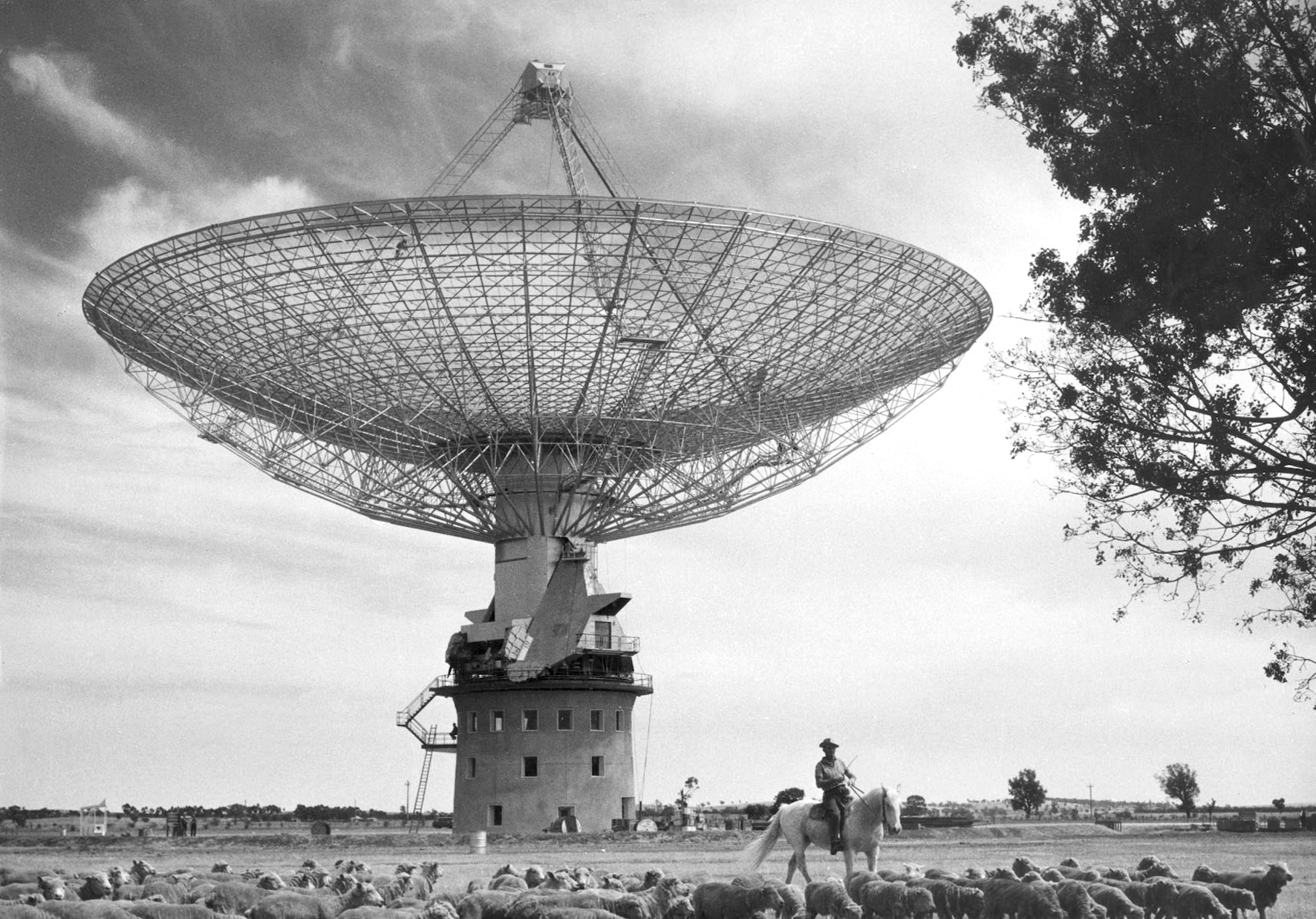
Sheep mustering near Parkes radio telescope
Image source: Wikimedia Commons
-
Ten and a Penny scheme closes
This year, the Government Railways Account Ten and a Penny Scheme is closed to new members and the Beatles tour Australia and NZ. They perform 32 concerts in eight cities, people go crazy, waiting outside hotels and lining streets, a sight never seen before in Australia.
iStock.com: adam calatzis
-
Local Government fund closure
Apollo crew 11 landed on the moon. Major developments also happened at State Super with the Local Government Insurance Fund and the Local Government Provident Fund closed to new members. For new employees, the Local Government Pension Fund was opened, along with the Local Government Benefits Fund …

The Local Government Pension Fund provided for a reversionary pension at retirement. It was compulsory for employees under age 55 and membership ceased at age 65. The Local Government Benefits Fund provided for lump sum benefits at retirement.
Both new schemes offered better retirement benefits for public sector employees.
iStock.com: issaurinko
-
Change to SSS legislation
Following significant inflation, State Superannuation Scheme (SSS) legislation is passed to index pensions to the Sydney CPI All Groups Index. Also in 1972, Gough Whitlam becomes the first Labor Prime Minister since 1949, and 15-year-old swimmer Shane Gould wins five medals at the Munich Olympics.
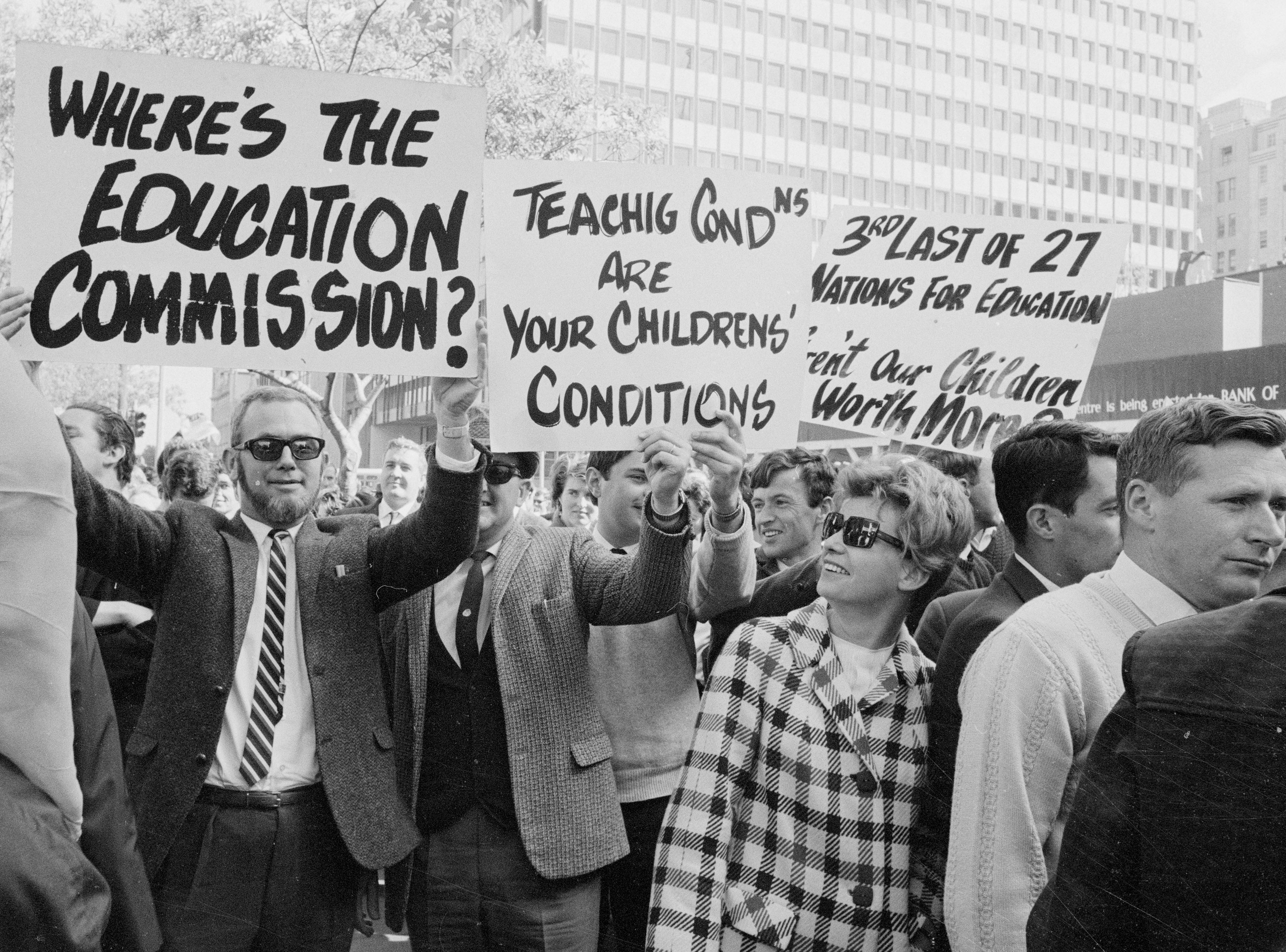
Teachers demonstrating late 1960’s
Image source: State Library of NSW
-
NSW Retirement Fund opens
Transport Retirement Fund closes and the
NSW Retirement Fund opens for those on wages. The fund provides reversionary pension at retirement. Also in 1973, Queen Elizabeth II opens the Sydney Opera House, and the Whitlam government abolishes the pension means test for age pensioners 75 years and over.

Queen Elizabeth opens the Sydney Opera House
Image source: Wikimedia Commons
-
ABS superannuation survey
Australian Bureau of Statistics (ABS) conducted the first national survey of superannuation coverage. Results showed that 36 per cent of male workers and 15 per cent of female workers are now covered by superannuation. Also in 1974 Cyclone Tracy destroys Darwin on Christmas day.

Damaged houses after Cyclone Tracy
Image source: Wikimedia Commons
-
Reform of tax on super begins
The May Economic Statement begins major reform of taxation of superannuation, including taxation on lump sums (initially raised to 15 per cent for amounts up to a threshold $50,000). Treasurer Paul Keating announces the Australian dollar will float on the international money market.
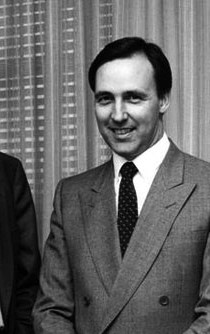
J Paye Secretary-General, OECD with Paul Keating
Source: By Department of Foreign Affairs and Trade Wikipedia Commons
-
New legislation
Commonwealth Sex Discrimination Act 1984 comes into force. This influenced changes to NSW schemes enacted the following year. Age pension asset test is reintroduced this year but excludes the family home, and the $100 note and $1 coin are introduced.

iStock.com: digunner
-
New PASS scheme begins
The Local Government Pension Fund, Transport Retirement Fund and NSW Retirement Fund closed and merged into a new scheme for wages staff called Public Authorities Superannuation Scheme (PASS). Also at State Super this year …

The State Superannuation Scheme (SSS) is closed to new members and in response to the Commonwealth Sex Discrimination Act 1984, reversionary entitlements are extended to male spouses of female fund members.
Deferred benefits are also introduced allowing members who resigned from the public service to retain their accrued benefits in the fund until retirement. This measure went some way towards addressing the issue of portability of benefits.
Also in 1985, FM stereo radio broadcasting begins and The Live Aid concerts raising money for the famine in Ethiopia took place in July at Wembley Stadium in London, and John F. Kennedy Stadium in Philadelphia, Pennsylvania plus other concerts around the globe. Estimated audience of 1.9 billion people watched the live broadcast.
iStock.com: sdominick
-
Pay rise discussions
Halley’s Comet is visible over Western Australia this year and wages were due to increase. Paul Keating wanted to restrain inflation, but still give workers a pay rise, so Keating and the head of the Australian Council of Trade Unions agreed that employers would provide workers the increase …

The three percent increase was to be paid into the worker’s superannuation fund instead of their salary. The Superannuation Administration Act 1987 was created the following year.
iStock.com: koo1980
-
Major State Super changes
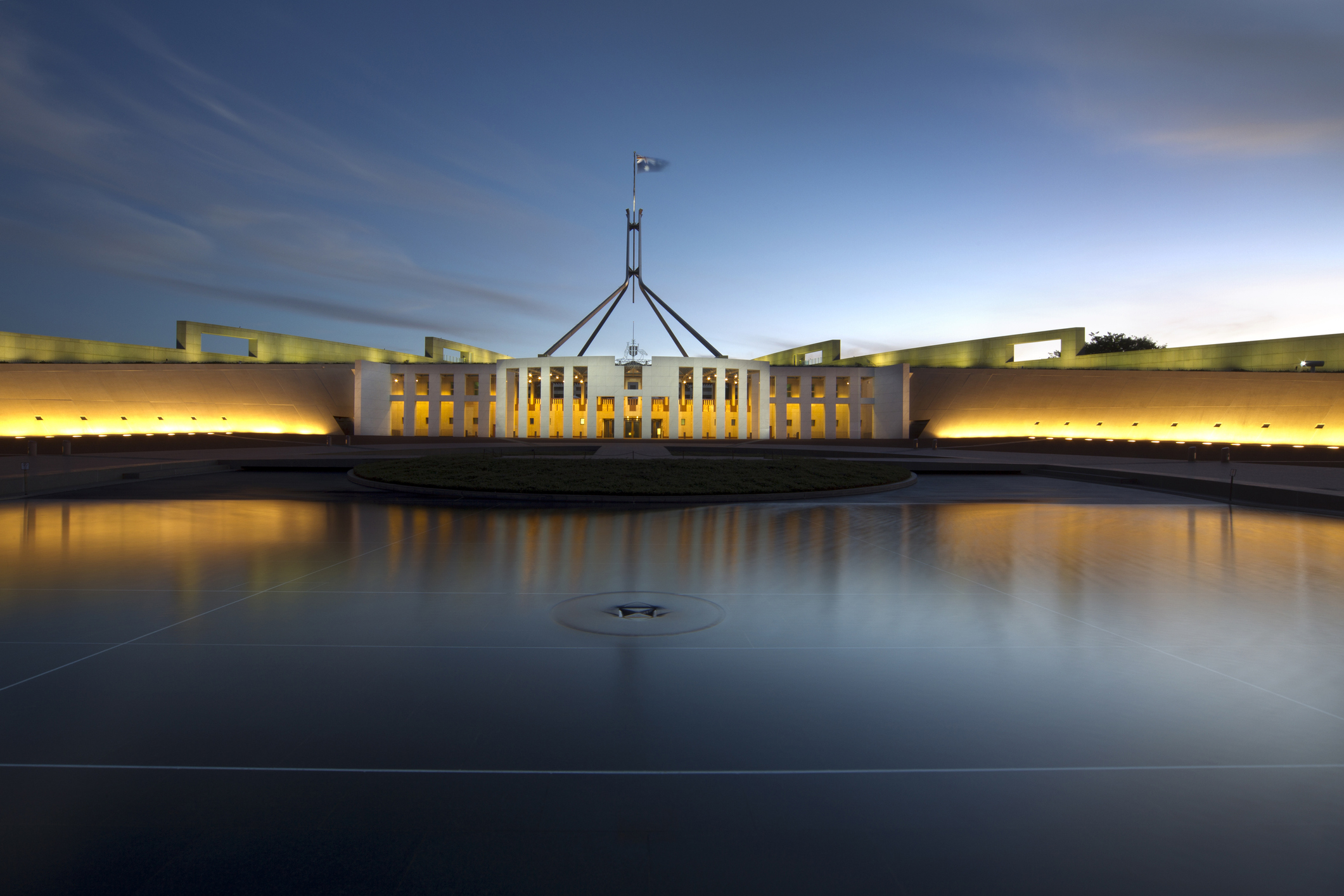
Following the new Superannuation Administration Act 1987, the State Superannuation Board, Public Authorities Superannuation Board and Police Superannuation Board were abolished. In Canberra this year, the new Parliament House is opened by Queen Elizabeth II …
The State Superannuation Board, Public Authorities Superannuation Board and Police Superannuation Board were replaced by State Authorities Superannuation Board (SASB).
Three Schemes were closed, State Public Service Superannuation Scheme, Public Authority Superannuation Scheme, and Police Superannuation Scheme. Administration for these three closed funds were taken over by the newly formed SASB.
Following the three scheme closures, two new schemes were created.
The State Authorities Superannuation Scheme (SASS) was opened, and now all new NSW public servants and public sector staff have access to the one scheme.
The State Authorities Non-contributory Superannuation Scheme (SANCS) was also created. This was so that the compulsory three percent productivity benefit could be paid into the member’s superannuation to be accrued. This became known as ‘the basic benefit’.
Parliament house, Canberra, Australia
iStock.com: eddisonphotos
-
State Super Financial Services
This year, Treasurer Keating announces Australia is in recession. State Super became the first superannuation fund to set up its own financial planning service with the establishment of State Super Financial Services Limited.

iStock.com: ratpack223
-
Superannuation Guarantee
The Introduction of compulsory superannuation lead to structural changes in public service superannuation. The State Authorities Superannuation Scheme (SASS) is now closed to new members and the First State Superannuation Scheme is established …

The State Authorities Superannuation Board became the trustee of the First State Superannuation Scheme which was administered by the State Superannuation Investment and Management Corporation.
All non-contributory members who did not elect to contribute to SASS by 18 December, 1992 became the founding members of First State Super with an effective entry date of 1 July 1992.
Universities became covered under Federal Industrial awards and were not eligible to join First State Super. Instead they were covered by Uni Super.
A separate investment portfolio was set up for First Sate Super and it reported to a separate board, requiring a separate asset consultant.
The State Authorities Superannuation Board was separated from the administration and became the trustee of:
- First State Superannuation Scheme
- Sate Superannuation Scheme (SSS)
- State Authorities Superannuation Scheme (SASS)
- Police Superannuation Scheme (PSS)
- State Authorities Non-contributory Superannuation Scheme (SANCS).
This was done so NSW Government superannuation could follow the process set up by the industry super schemes of outsourcing administration and investment services.
Major developments in superannuation regulation this year. The Superannuation Guarantee was implemented by the Federal Government and extended retirement savings to 72 per cent of workers.
Employers were required to make prescribed contributions on behalf of their employees to a complying superannuation fund.
Super contributions were to be progressively increased between 1992-2002, from three per cent to nine percent.
First State Super logo.
-
Changes to age pension
Eighty per cent of employed people in Australia are now covered by superannuation, and the age pension for women is increased to age 65 (same as men) over 20 years. Also this year, cricketer Shane Warne delivers the "Ball of the Century" to Mike Gatting, bowling the Englishman in The Ashes test.

iStock.com: MousePotato
-
Changes to Trustees
The State Authorities Superannuation Board is replaced by SAS Trustee Corporation (STC), responsible for SSS, SASS, PSS and SANCS schemes, and the FSS Trustee Corporation (FTC), responsible for the accumulation schemes. Tamagotchi, a handheld digital pet, is released by Bandai in Japan.

iStock.com: gldburger
-
Super guarantee changes
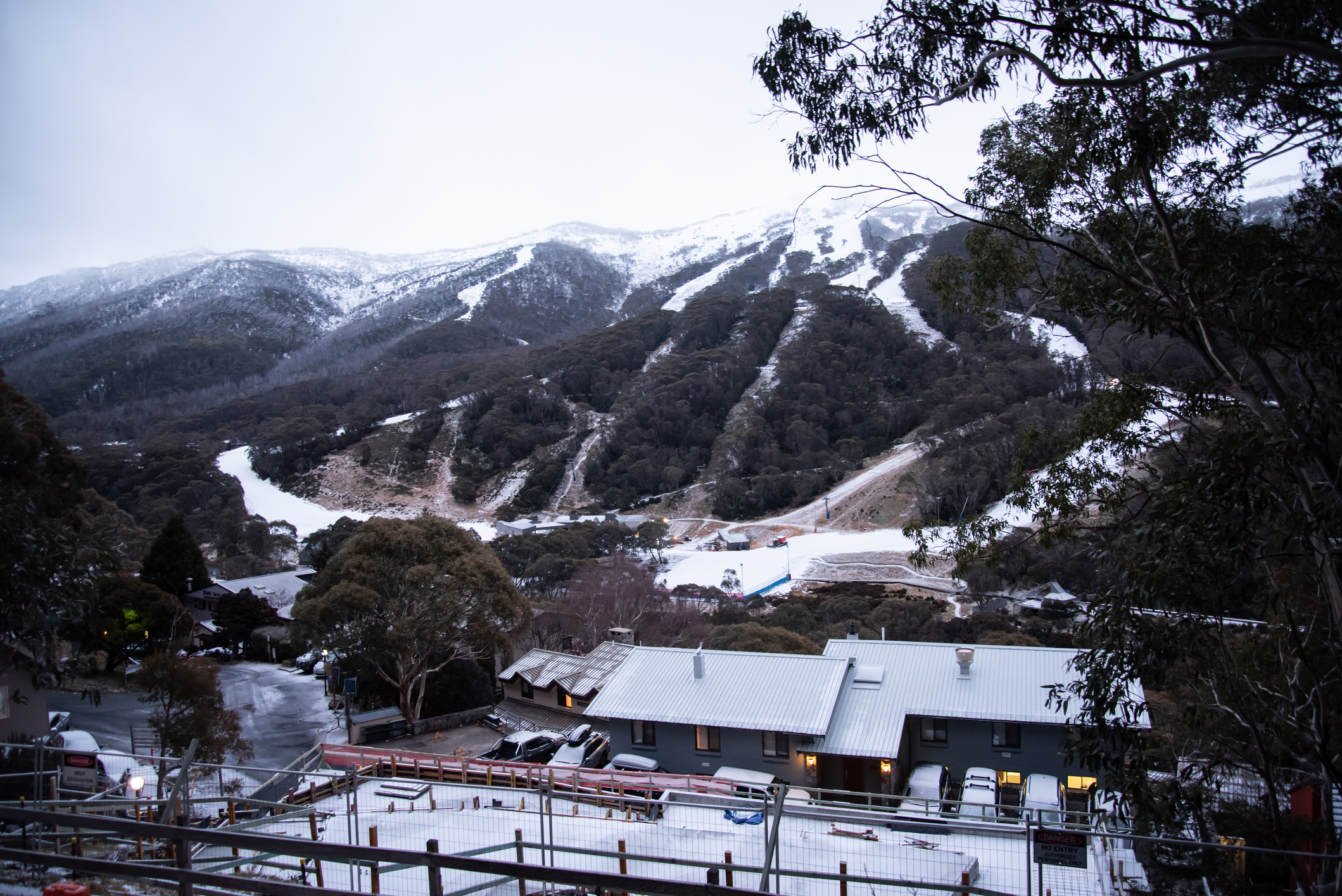
Stuart Diver becomes the sole survivor of the Thredbo landslide, surviving 66 hours in near freezing temperatures. Also this year, the maximum age for making Superannuation Guarantee contributions is increased from age 65 to age 70. And at State Super …
The Local Government Superannuation Scheme and the Energy Industries Superannuation Scheme are set up with a shared secretariat and administration.
State Super members who work for those government sectors are transferred to the two new schemes
Thredbo, NSW
iStock.com: kimlong-creations
-
SMSF introduced
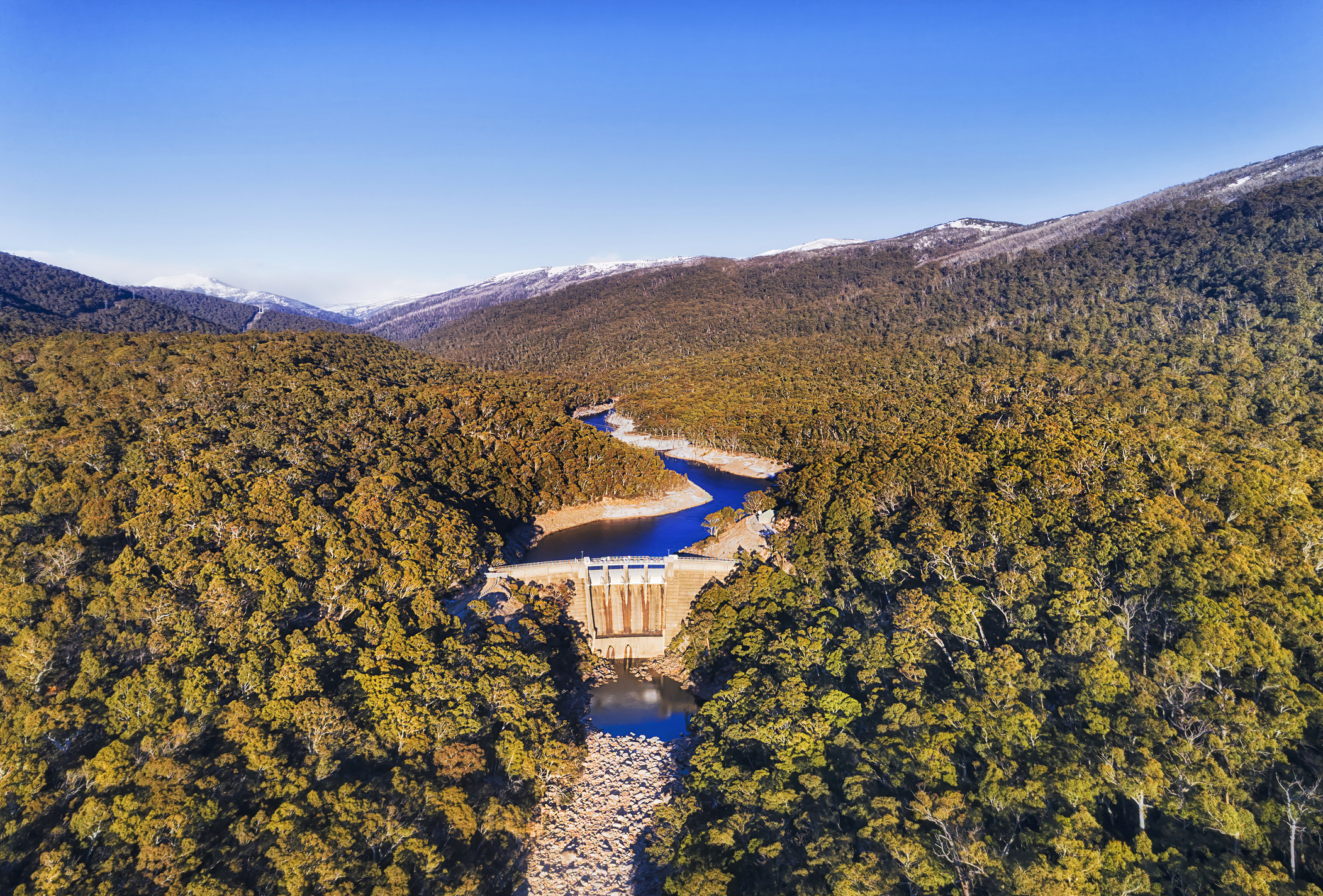
This year is the 50th anniversary of the Snowy Mountains Hydro Electric Scheme.
Self-managed super funds are introduced and will be regulated by the ATO. At State Super, full commutation of pensions is now allowed in the State Super Scheme (SSS) …
Members of SSS are no longer required to keep $20 of their fortnightly pension if they are single and $34 if they are married.
Pension members who had previously commuted the maximum were given the opportunity to fully commute the balance of their pension.
Guthega Dam.
iStock.com: zetter
-
Family Law Act change
The Family Law Act 1975 is amended to allow superannuation assets to be divided on marriage breakdown. The maximum age for super contributions is also increased from age 70 to age 75. In the USA, close to 3,000 people are killed in the 9/11 attacks at in New York City, Virginia, and Pennsylvania.
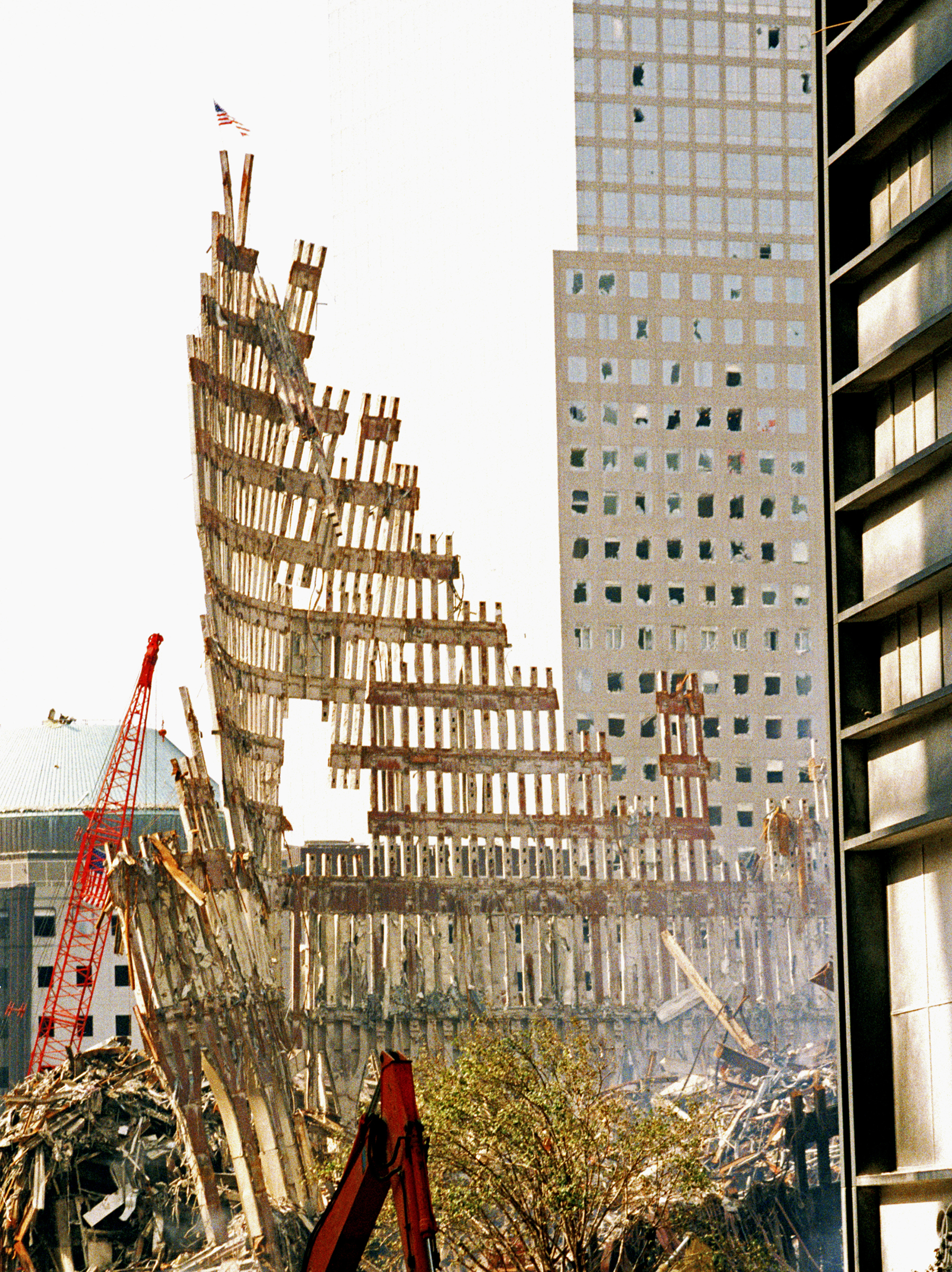
The aftermath of destruction on the World Trade Centre NY following September 11 attacks, 2001
iStock.com: terraxplorer
-
Super co-contributions begin
This year, the superannuation co-contribution is introduced. Overseas the Human Genome Project is completed, sequencing the human gene to 99.99% accuracy. The project team involved scientists from 20 institutions in six countries, France, Germany, Japan, China, the UK and the USA.

iStock.com: metamorworks
-
Change to super beneficiary
This year sees the introduction of tax-free payment of superannuation benefits to a surviving spouse or partner in a de facto relationship, including a same sex relationship. Overseas, Mary Donaldson from Hobart marries Frederick, Crown Prince of Denmark to become Mary, Crown Princess of Denmark.

iStock.com: rawf8
-
Super choice begins
For the first time, more employees can choose a superannuation fund rather than staying with their employer’s default fund under new superannuation laws. Overseas, Following the 2005 federal election, Angela Merkel is appointed Germany's first female chancellor.

German flags at Reichstag, Berlin, Germany
iStock.com: bluejayphoto
-
First State Super now public
First State Super becomes a public offer fund so now anyone with superannuation can become a member. The Beaconsfield gold mine in Tasmania collapsed on 25 April. Fourteen miners escaped, one was killed and two others were found alive after 6 days, and finally rescued on May 9.
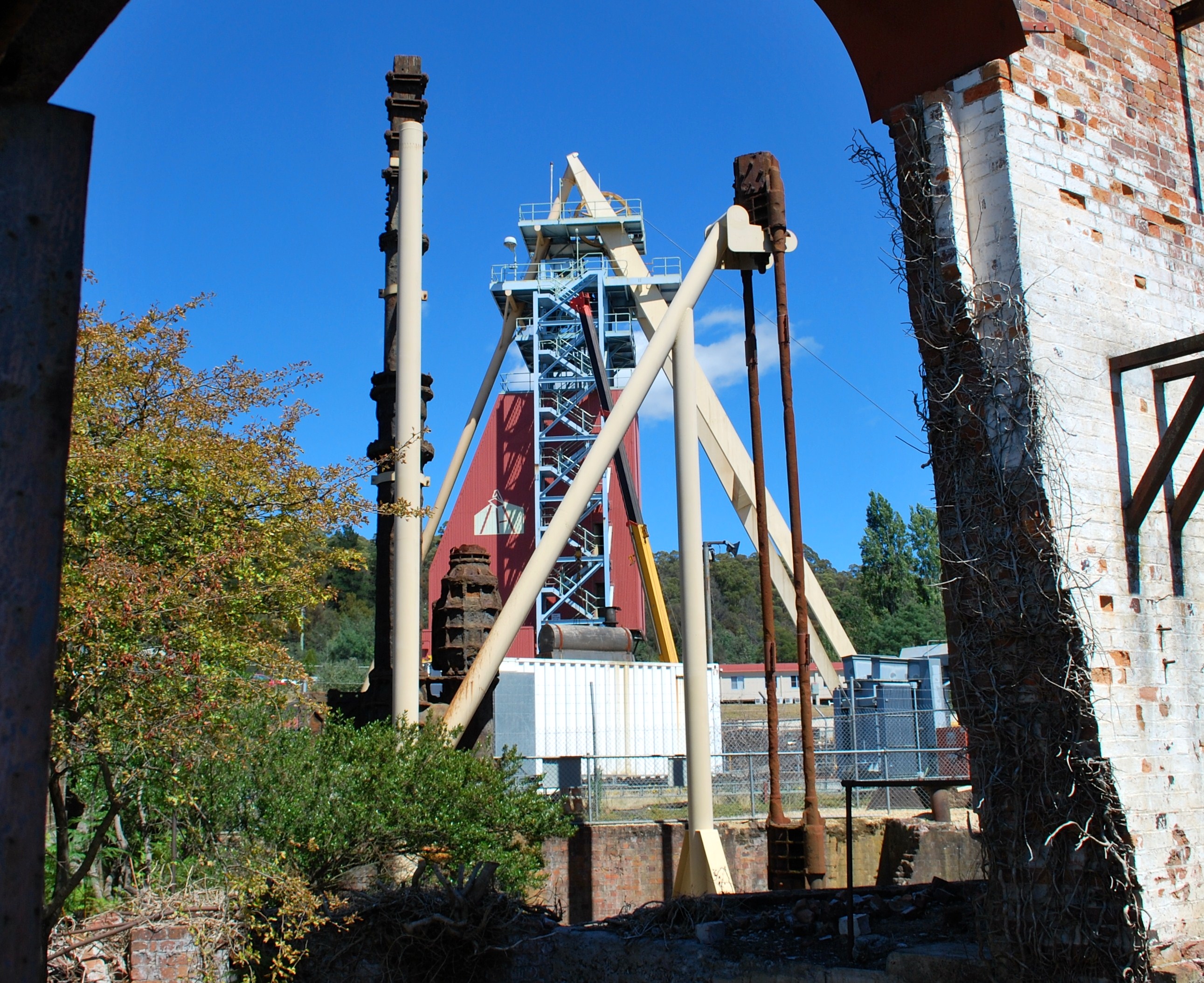
Beaconsfield gold mine, Tasmania
iStock.com: flashgordonphotog
-
Super guarantee raise proposed
The Federal Government makes a proposal to raise the Superannuation Guarantee from nine per cent to twelve per cent between 2013 and 2020 and to increase the Superannuation Guarantee age limit to 75 from July 2013. Also this year, Mary MacKillop is declared the first Australian saint.
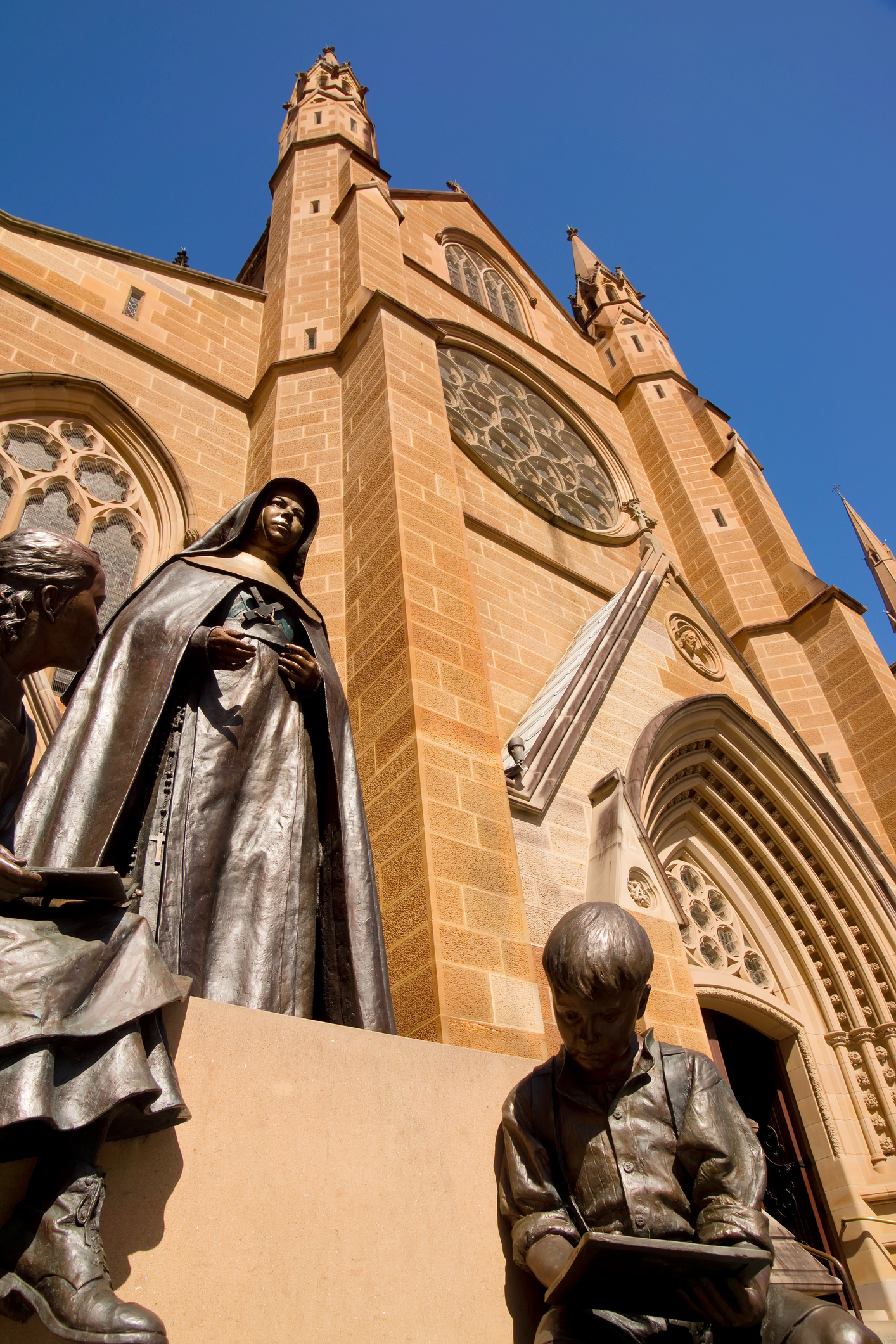
St Mary's Cathedral, Sydney, statue of Saint Mary MacKillop
iStock.com: kokkai
-
State Super changes
Eligible State Super members are now entitled to additional Employer Contributions (AEC). This is in addition, to the three per cent basic benefit. In sport this year, Black Caviar retires on unbeaten record of 25 wins, one of the greatest mares in world racing history.

iStock.com: winhorse
-
NSW Treasury Corporation
State Super appoints NSW Treasury Corporation (TCorp) as the master investment manager for the trustee selection portfolio. In sport this year, millions watch live as Australian surfer Mick Fanning escapes a shark attack during a competition at Jeffrey Bay, South Africa.

-
Major super changes announced
This year, people in the United Kingdom vote to leave the European Union, in an event known as ‘Brexit’. At State Super, the final implementation of the State Authorities Non-contributory Scheme (SANCS) additional employer contribution (AEC) is completed…

Eligible members now see the new AEC benefit, backdated to 1 July 2013, for the first time when they receive their statement.
Also at State Super, the financial planning business StatePlus (previously State Super Financial Services Australia Ltd) is sold to First State Super. There were major developments at the federal level in superannuation legislation. The Treasury Laws Amendment (Fair and Sustainable Superannuation) Act 2016 was introduced and would come into effect 1 July 2017.
The changes are intended to improve the fairness, sustainability, flexibility and integrity of the superannuation system. Key changes include:
- Introduction of a $1.6 million transfer balance cap on the total amount of accumulated superannuation an individual can transfer into the tax–free retirement phase.
- The threshold at which high income earners pay additional contributions tax (Division 293) is lowered from $300,000 to $250,000.
- Annual non–concessional contributions cap is lowered to $100,000 and a new constraint introduced such that individuals with a balance of $1.6 million or more are no longer eligible to make non–concessional contributions.
- The annual cap on concessional (before–tax) superannuation contributions is lowered to $25,000.
iStock.com: duncan1980
-
State Super turns 100 on 1 July
State Super reaches 100 years on 1 July this year. We are one of Australia’s first and largest superannuation schemes, with nearly 100,000 members across our four schemes.